Material Design
TRANSPARENCY IN CONFLICT

SECOND WIND

‘SECOND WIND’ TRANSFORMS UNRECYCLABLE WIND TURBINE BLADES INTO HIGHLY TRANSLUCENT ARCHITECTURAL MATERIALS.

3RD SEMESTER PROJECT
NATURE LAB 2.0
PROF. DR. ZANE BERZINA
WS 2025/26

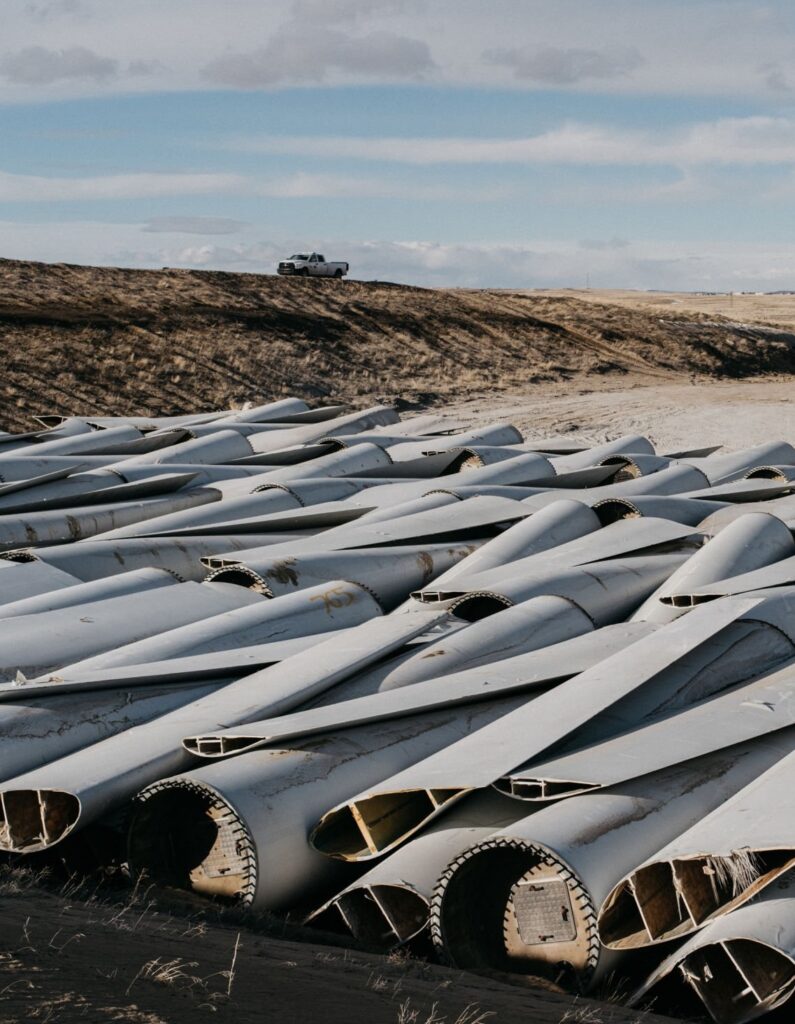
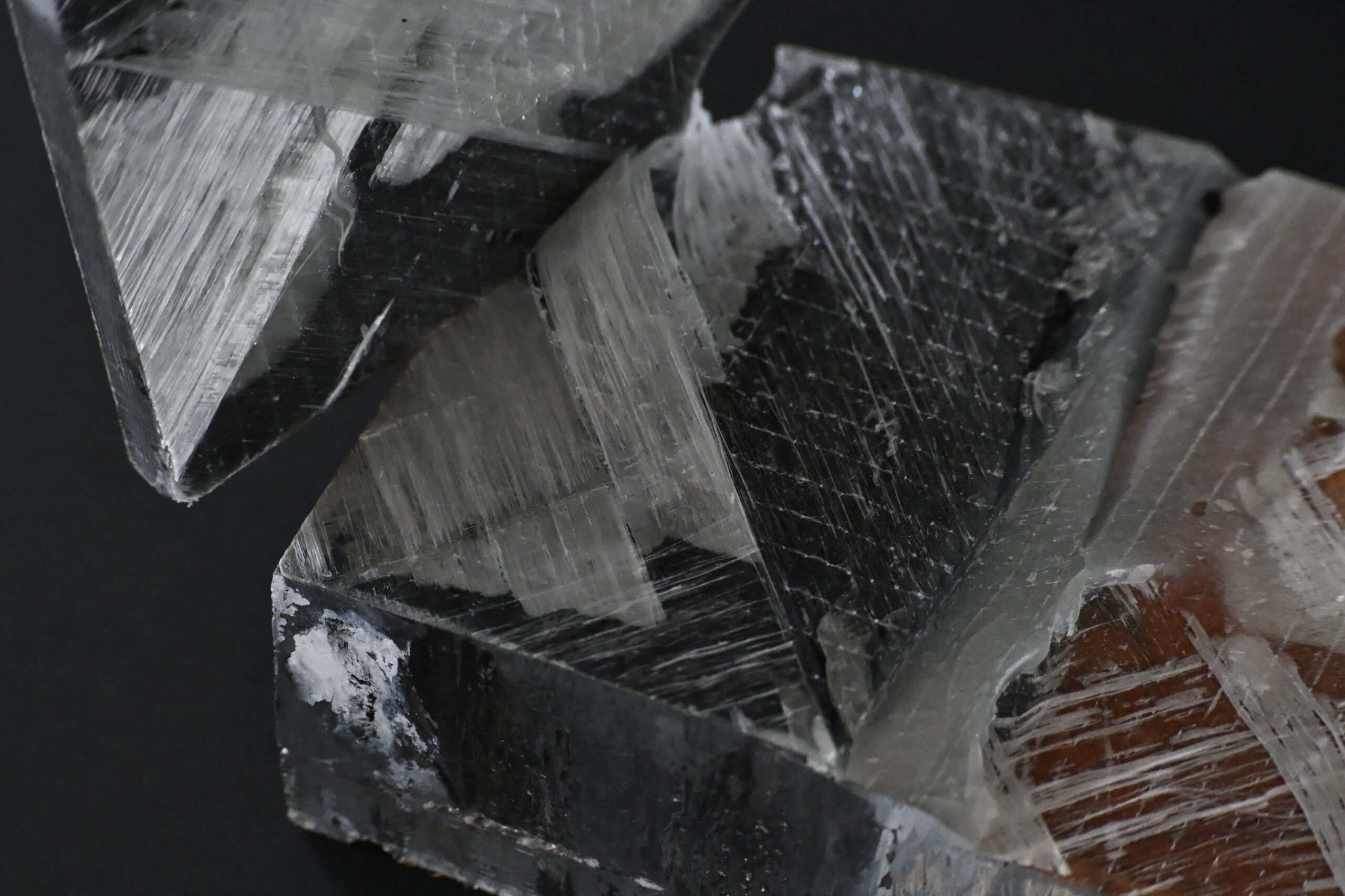
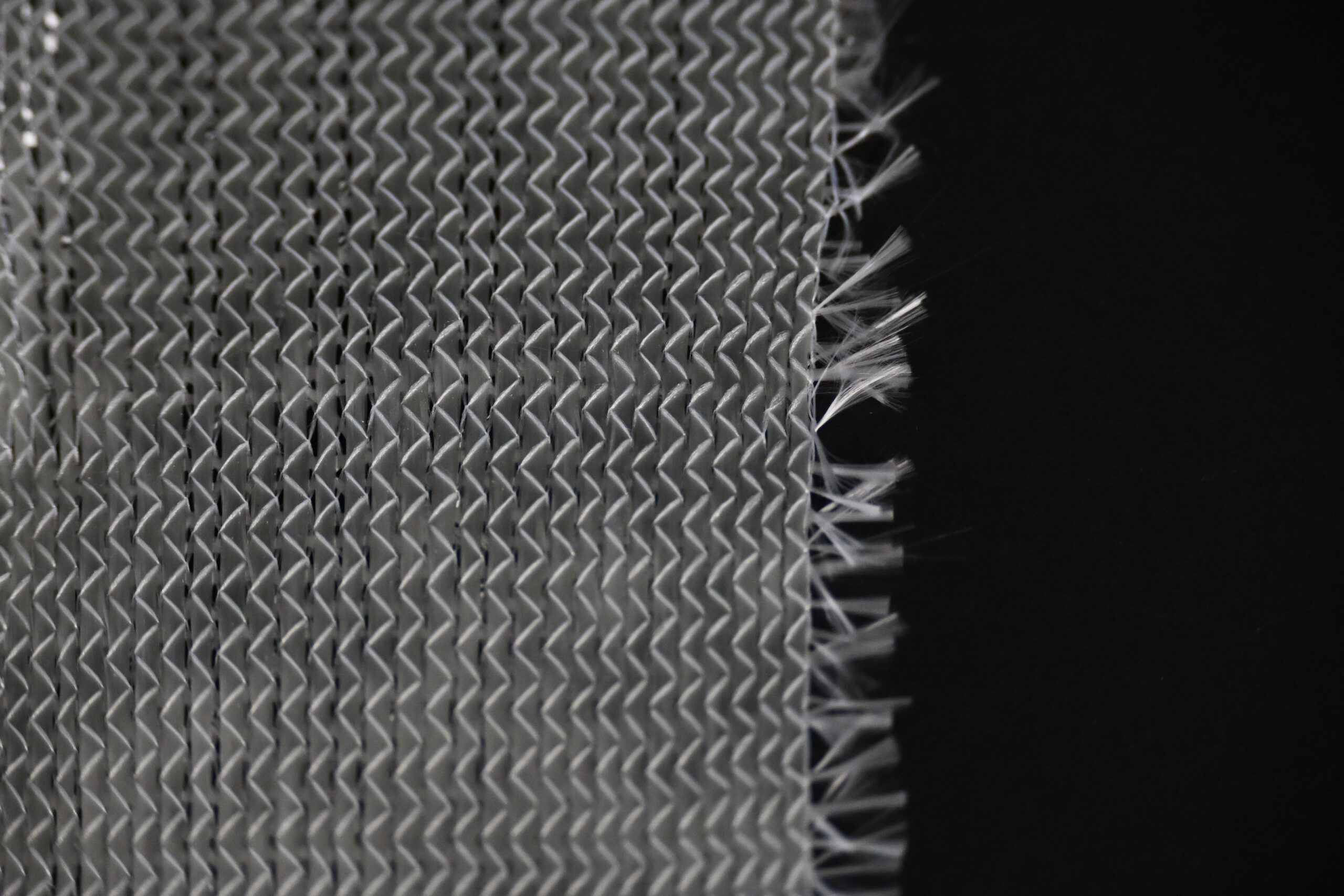
Wind energy is widely considered the epitome of ecological progress, yet the material reality of decommissioned rotor blades reveals a growing accumulation of indestructible industrial waste. This project makes the ecological paradox of the energy transition physically tangible.

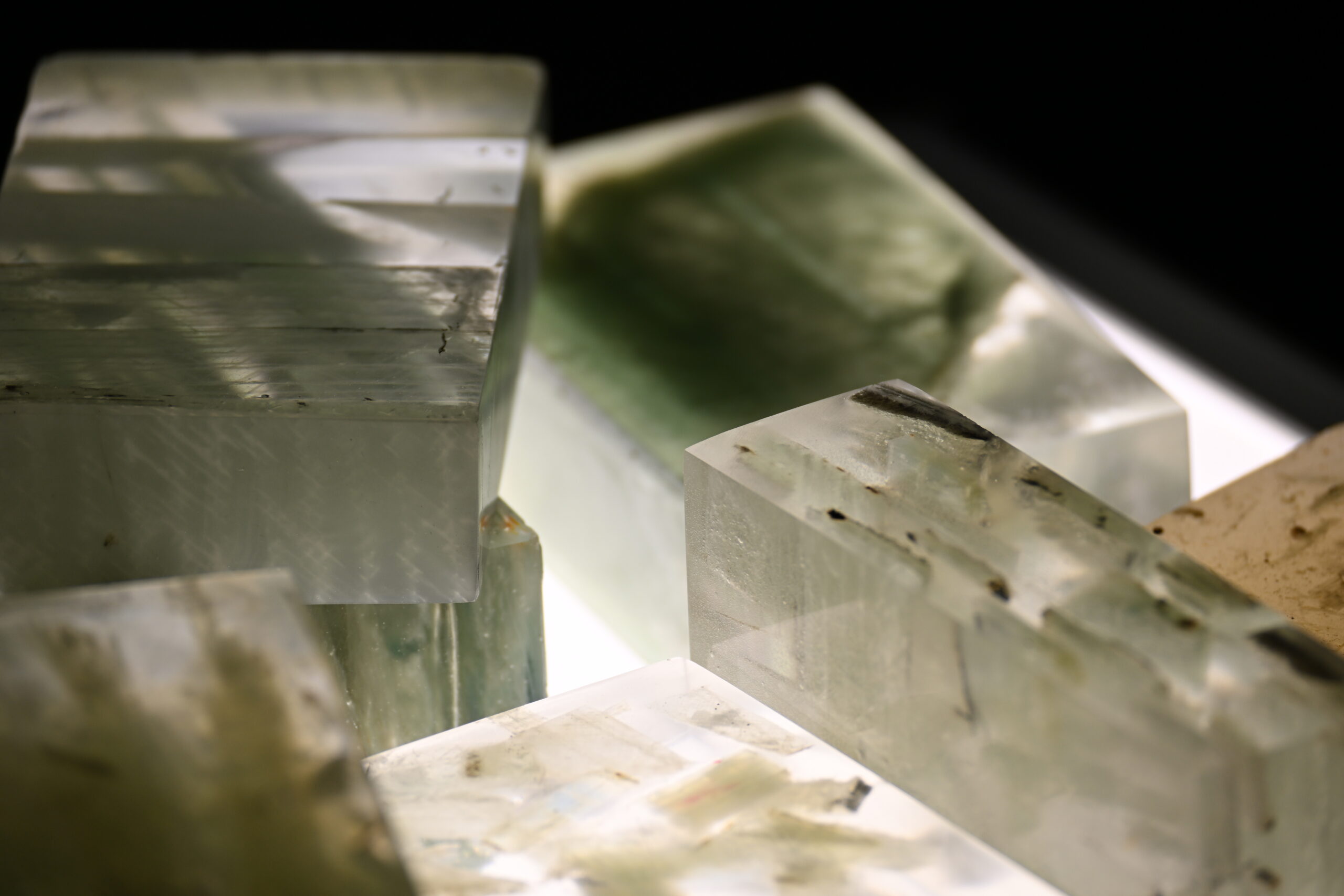
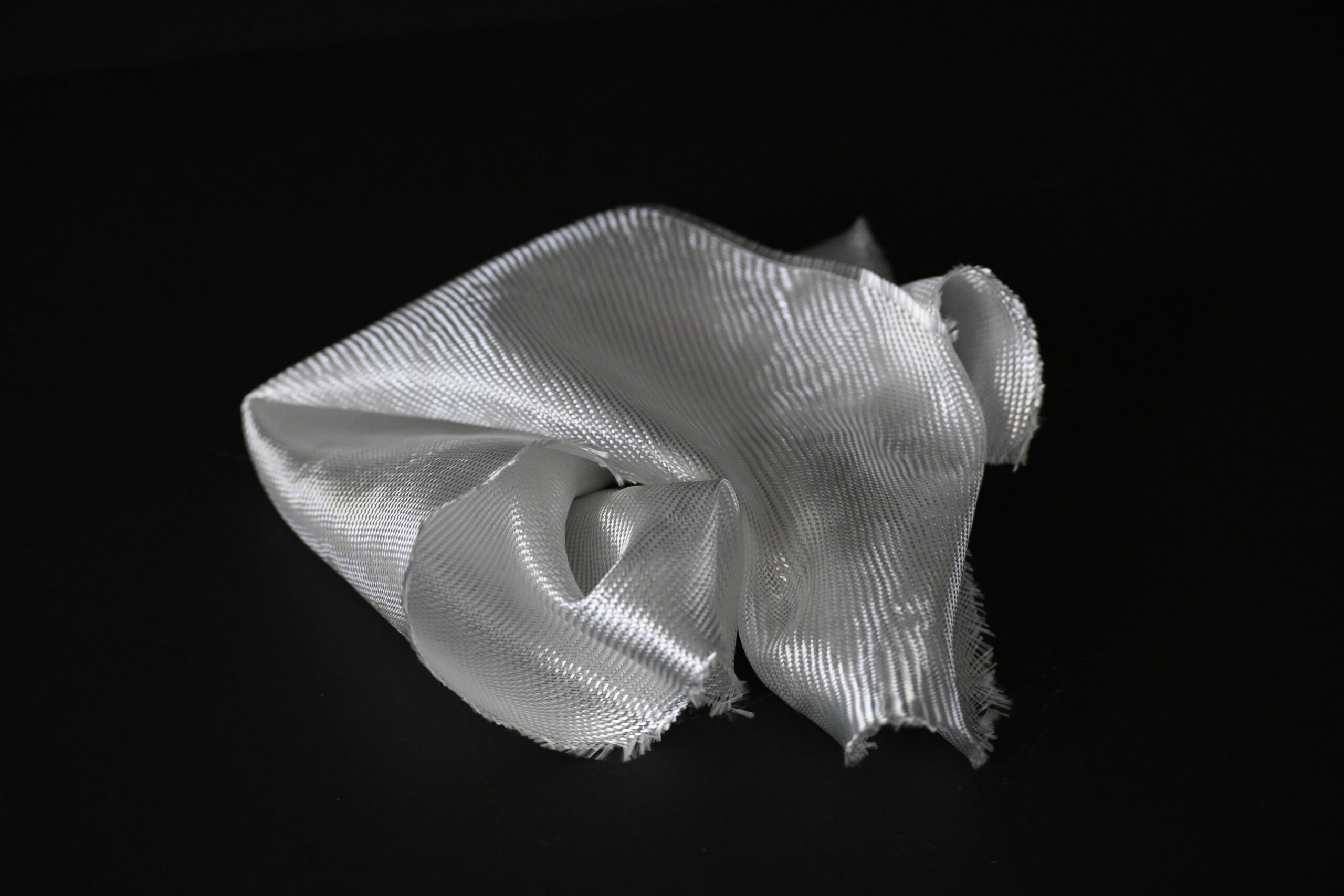
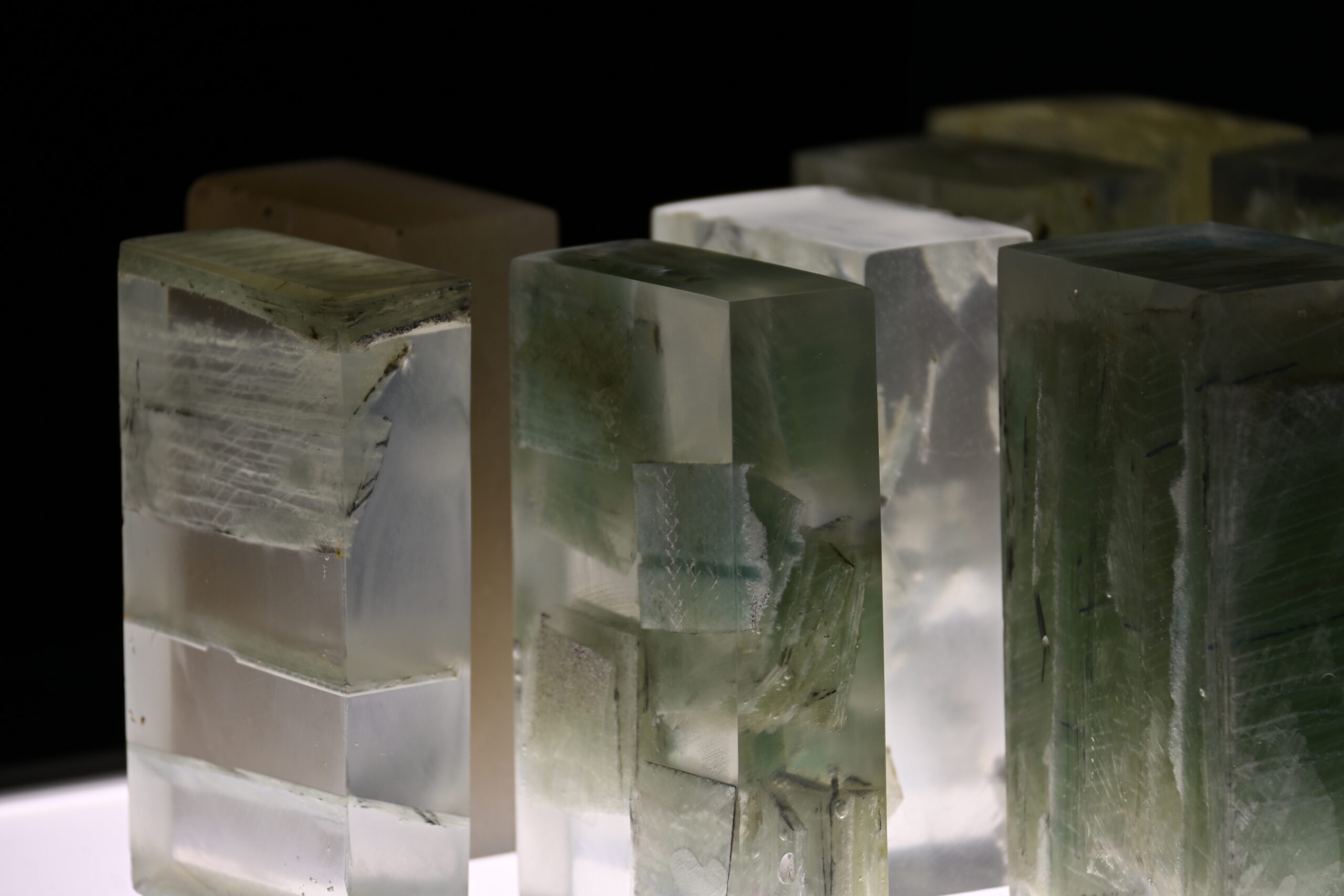
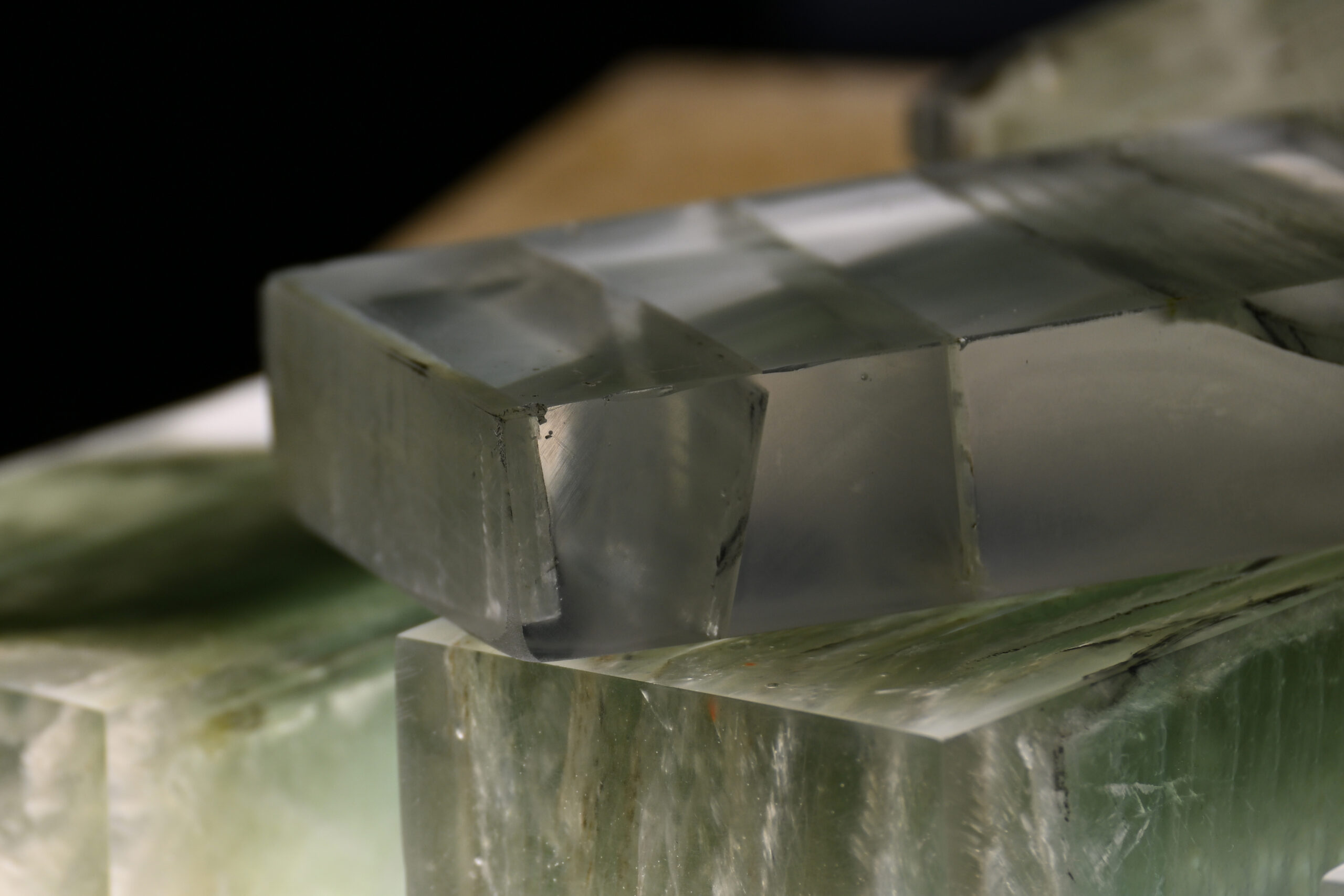
By mechanically fragmenting the glass fibre reinforced polymers (GFRP) and recombining them within a clear resin matrix, the raw waste is translated into scalable, high-end modules for façades and interiors. The material acts as a radical conversation piece at the intersection of material research and design.

THE CONCEPT

The energy transition is invisible, but its architectural manifestations are not. Countless wind turbines now dominate our landscape. Second Wind addresses the problematic side of these material witnesses, the disused rotor blades, and gives them a new perspective. This is less about upcycling in the traditional sense and more about a conceptual reflection on industrial realities.

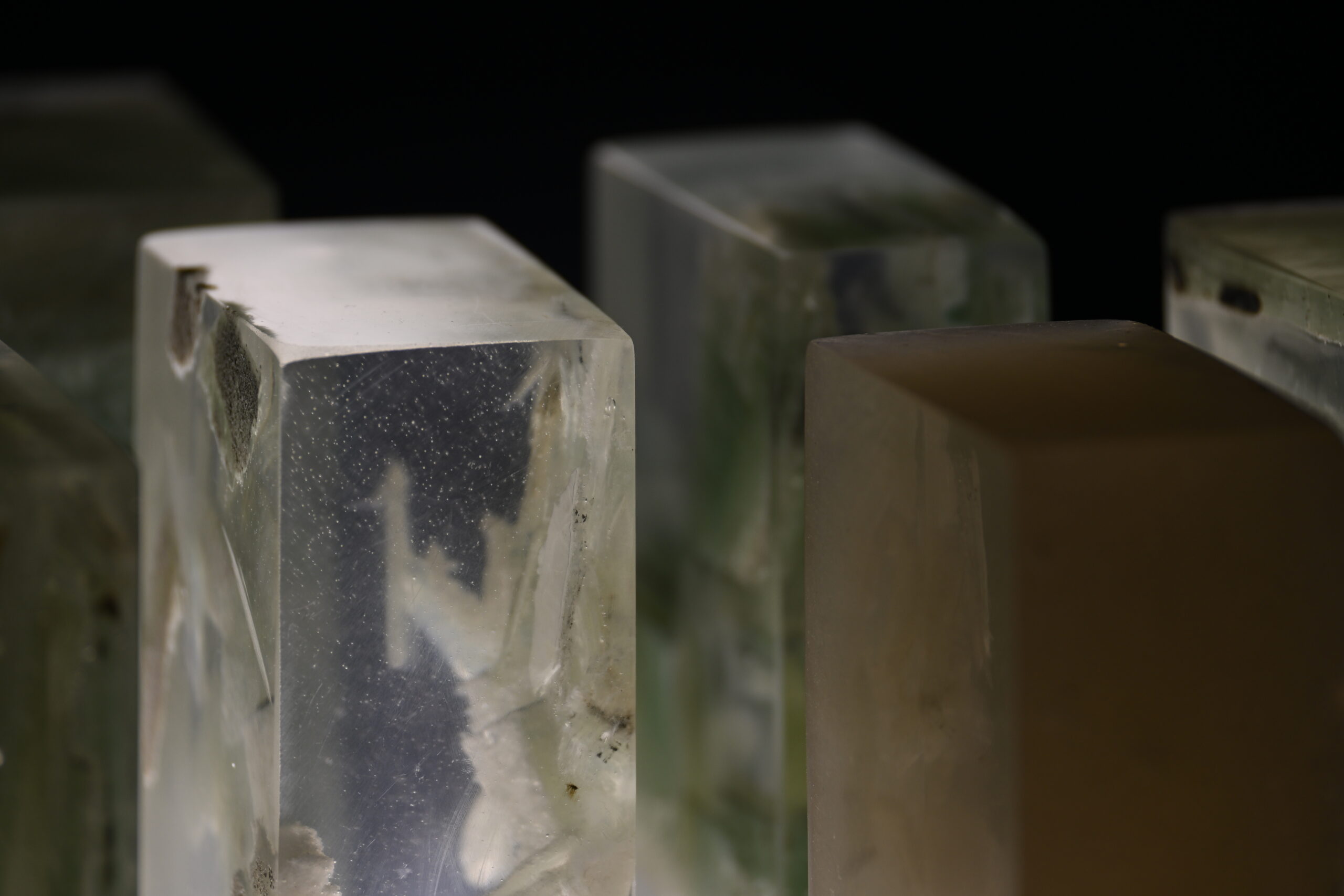
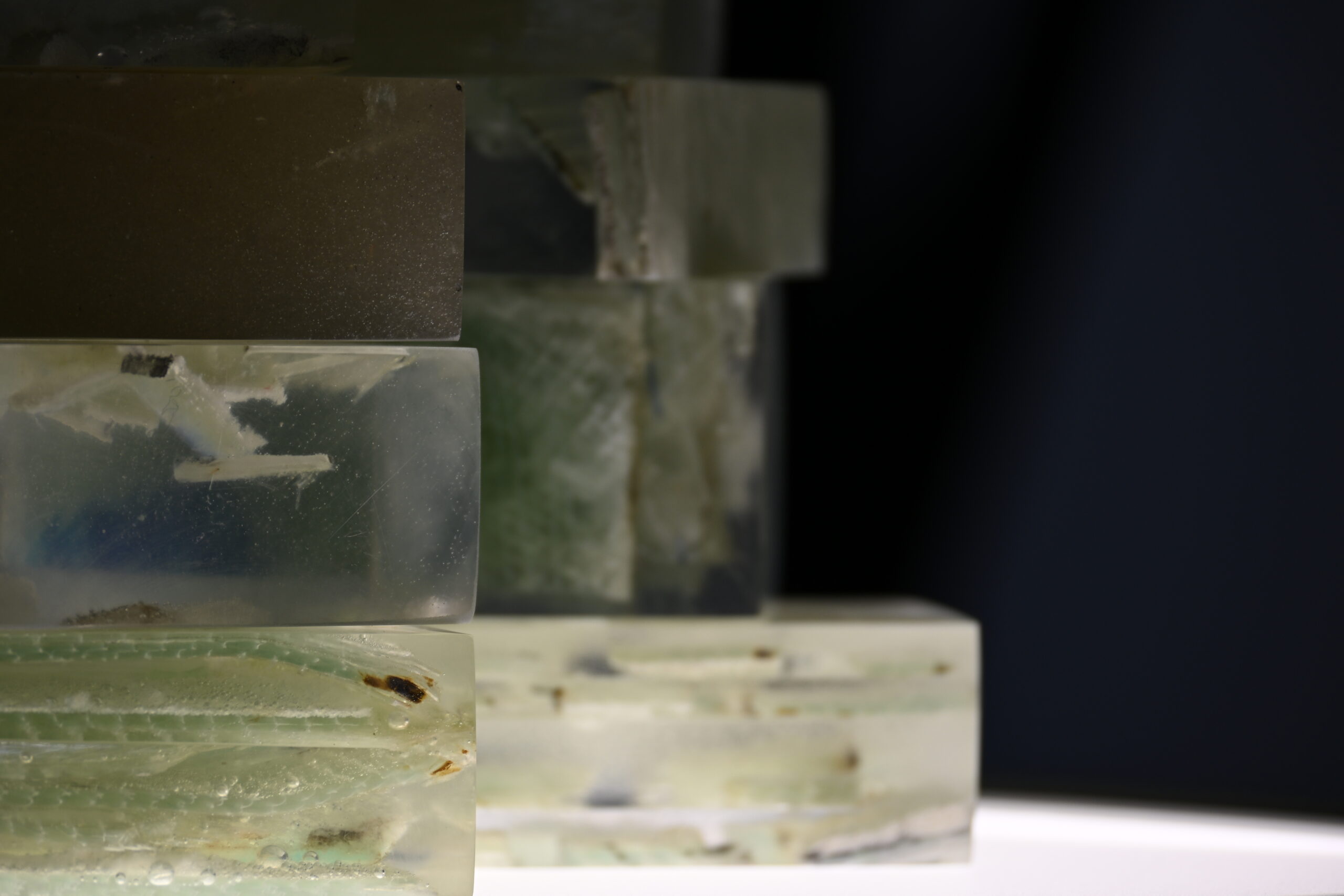
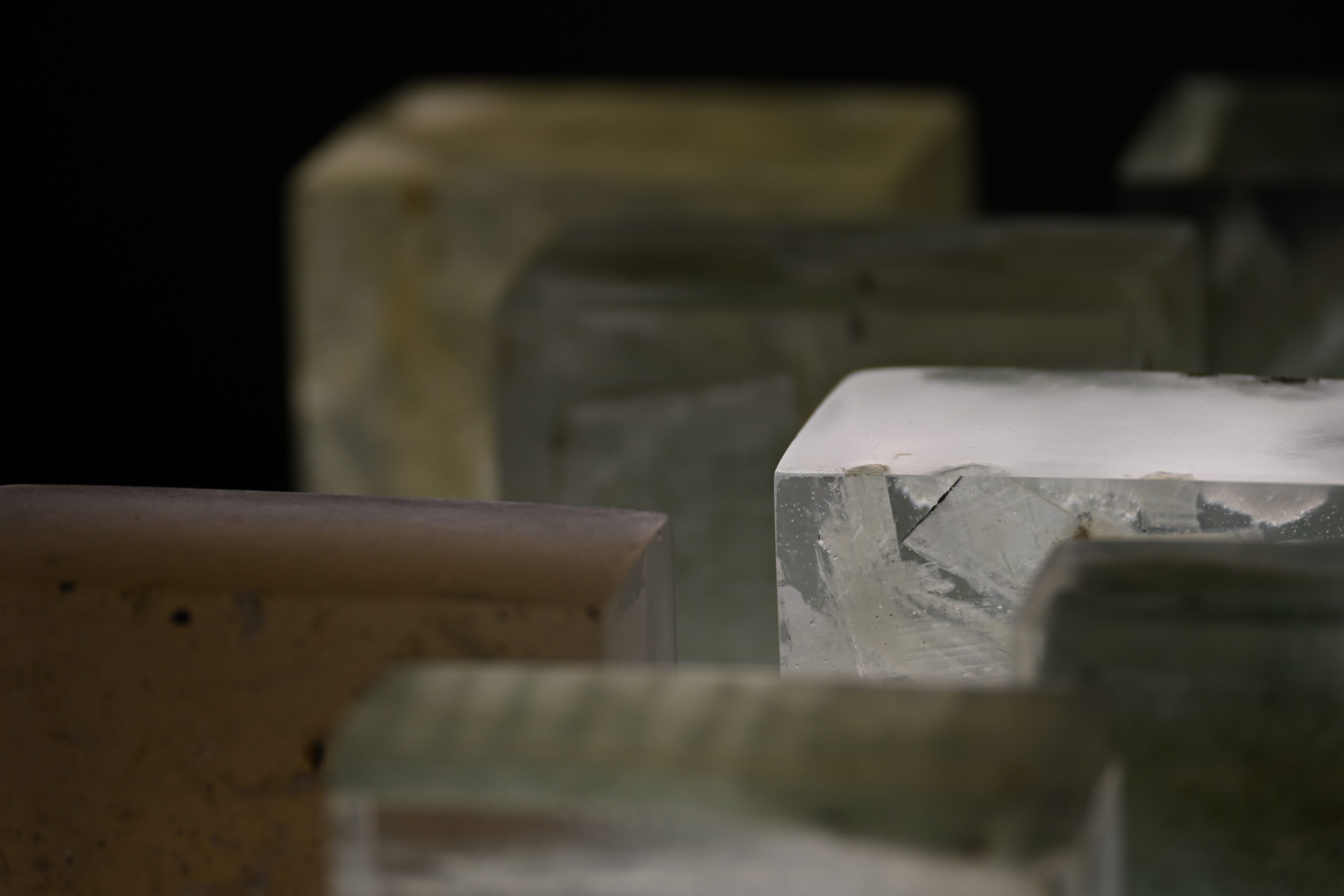
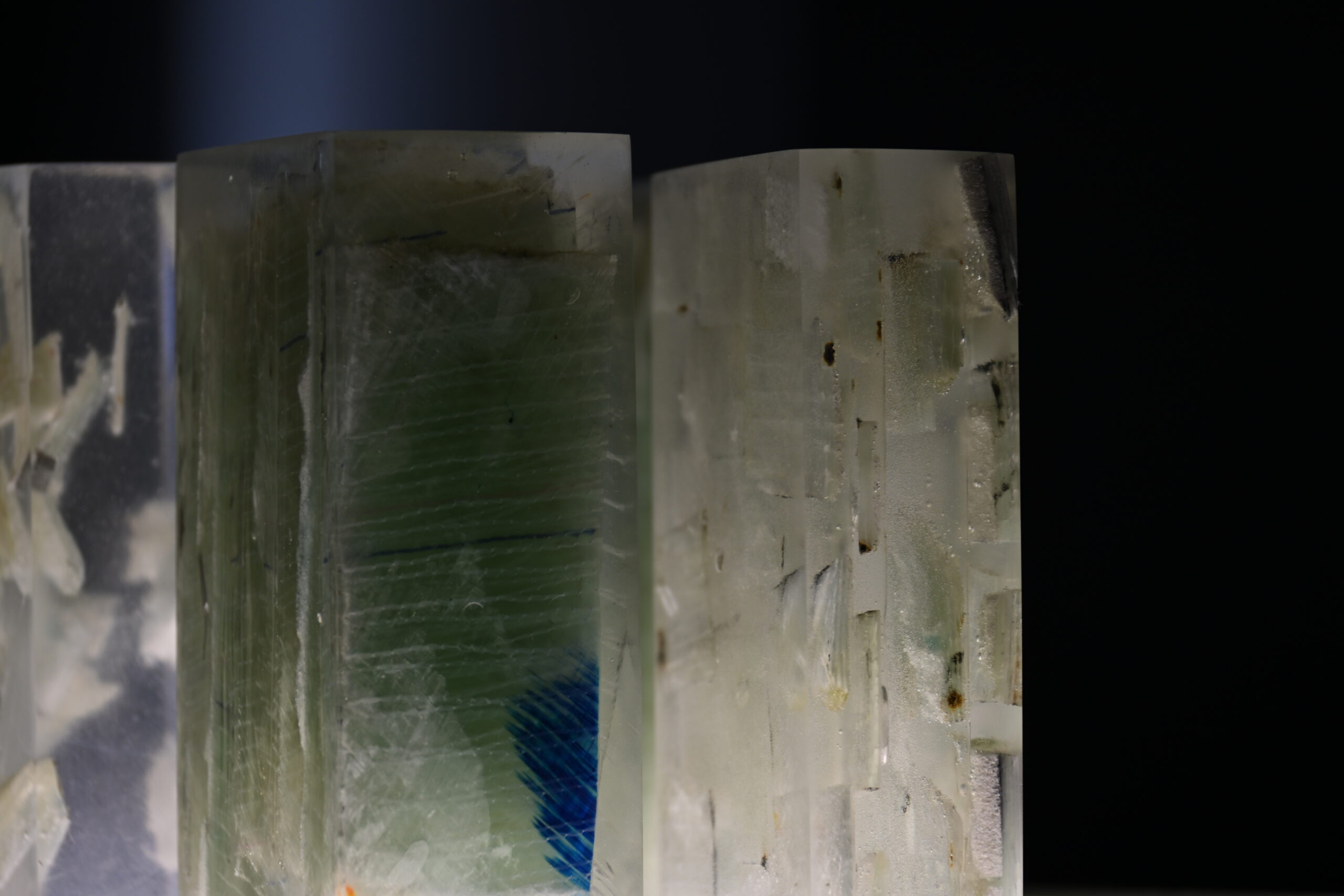
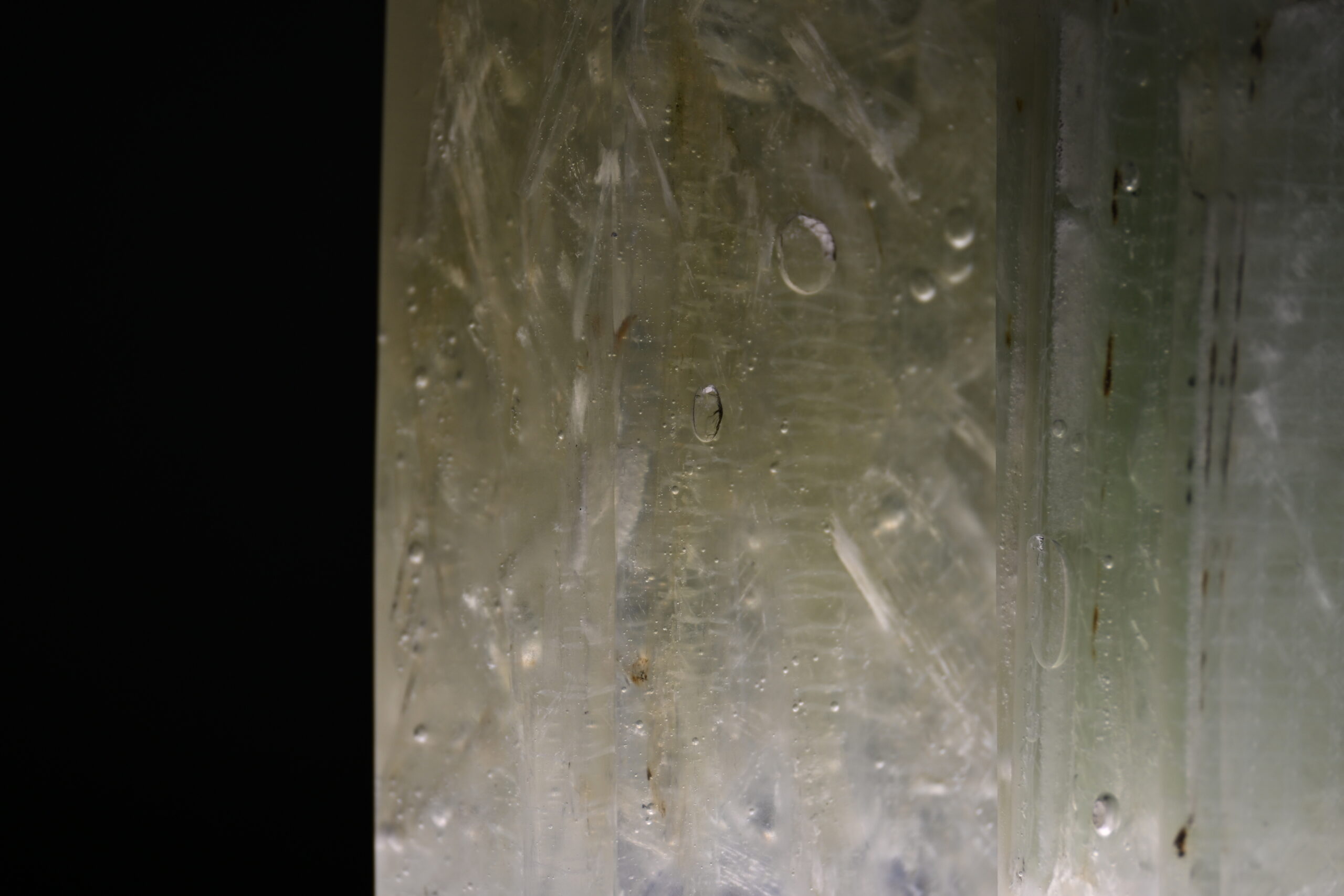
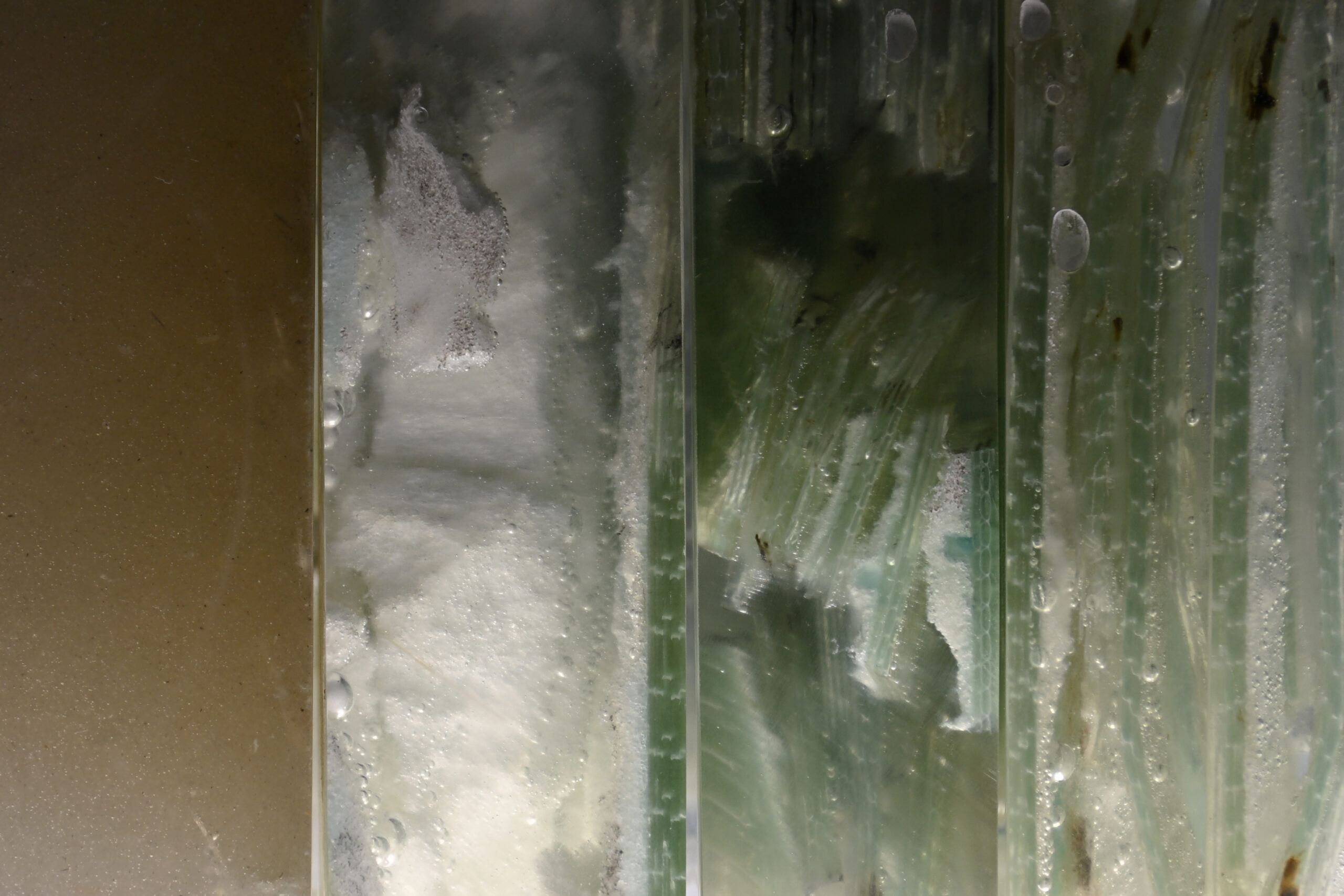
Embedded in clear resin, the GRP remnants lose their anonymity as ‘industrial waste’. Their inner structure is revealed, their technical beauty and, at the same time, their indestructibility. However, the transparency also has its price: the production of the objects consumes resources and uses conventional chemistry.

The material is appreciated without denying the associated ecological costs. ‘Second Wind’ thus functions as a conversation piece – and makes the gap between our demand for sustainability and the technical possibilities of the present tangible.

Rotor blades as practical enlightenment: Which paradoxes come with the energy transition and how can we deal with them?

MATERIALITY & PROCESS

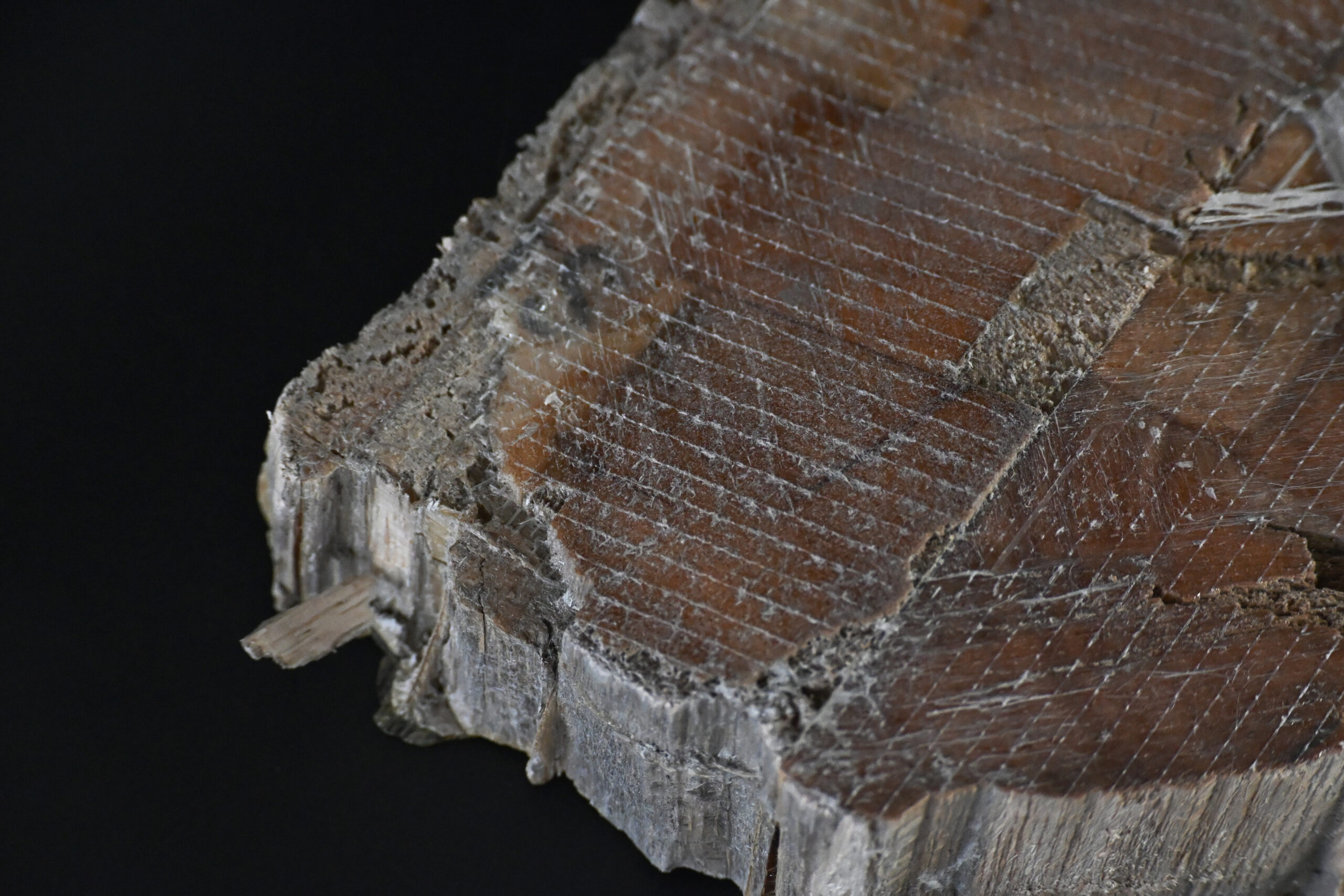
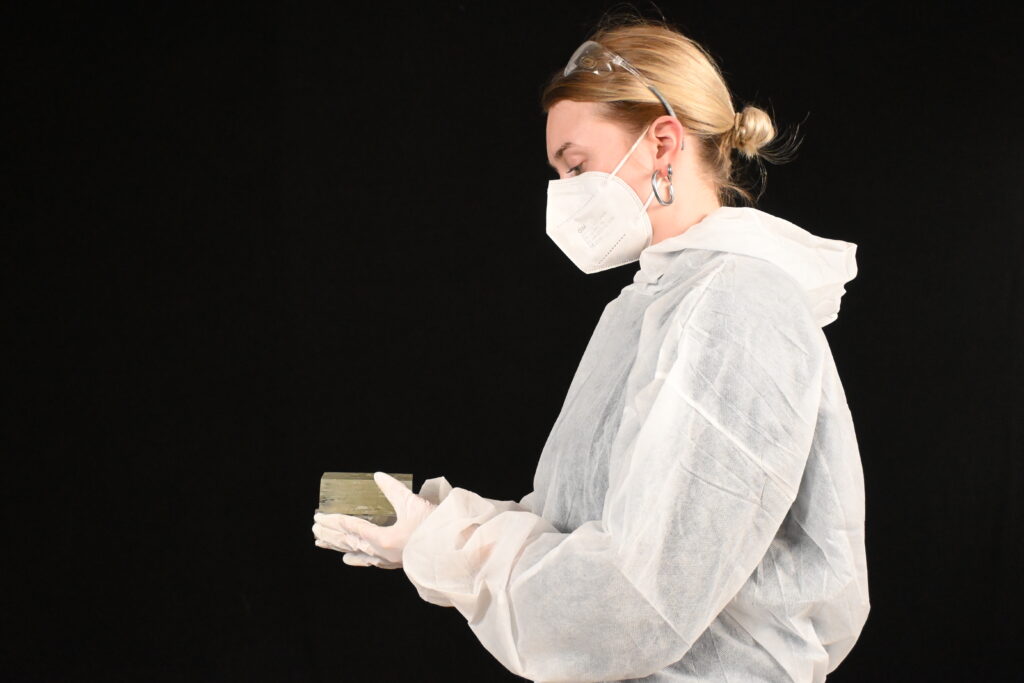
The transformation requires mechanical force. By deliberately fracturing the decommissioned rotor blades, the indestructible glass fibres and raw composite dust are exposed. Recombined and cast within a clear resin matrix, the brutal industrial waste is translated into a highly engineered, translucent architectural material.

THE OUTCOME

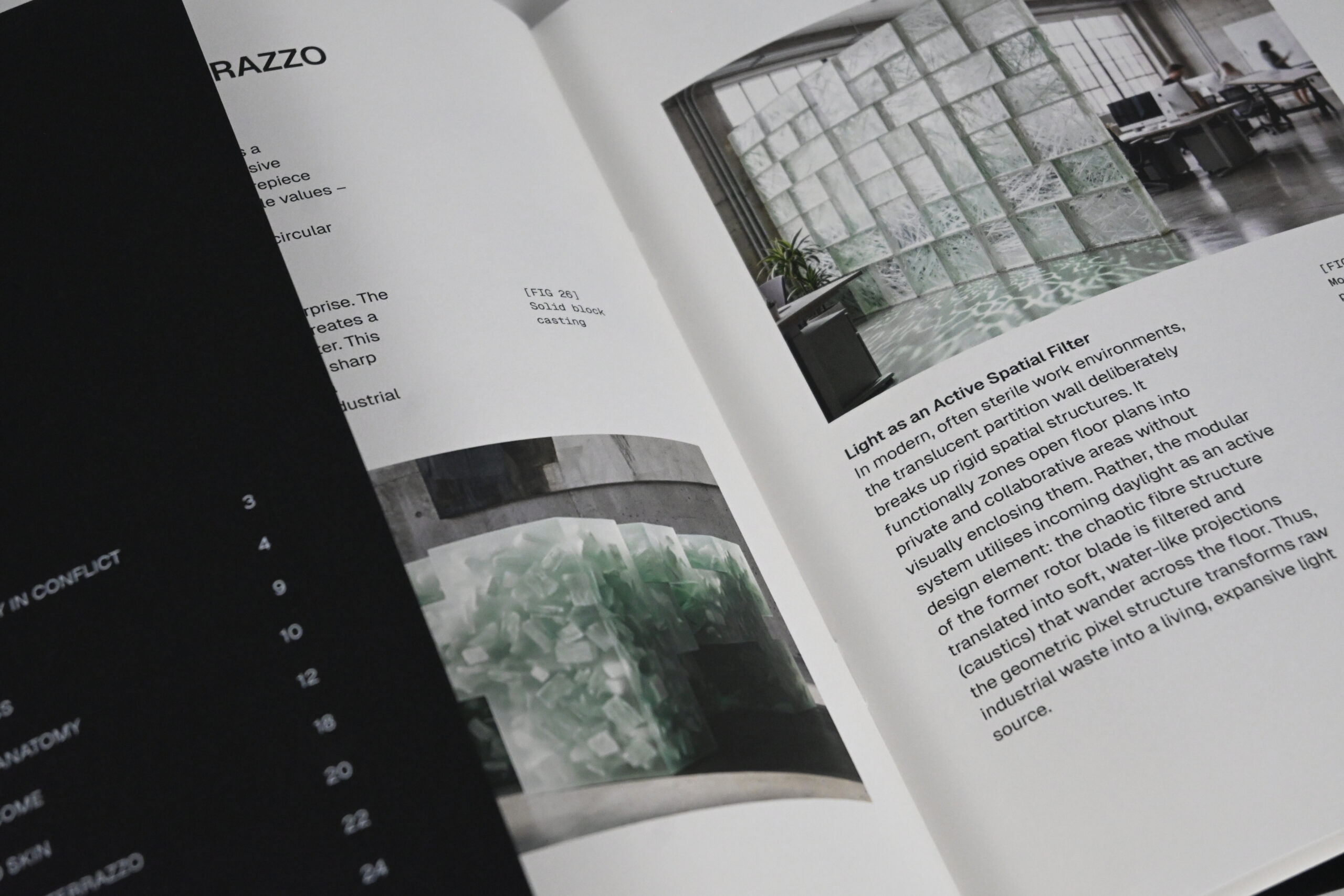
The final material embodies a physical paradox. By suspending the shattered fragments within a pristine, crystal-clear matrix, the violent destruction of the rotor blades is literally frozen in time. The chaotic industrial waste clashes with strict geometric boundaries—a haptic and visual illusion whose deep transparency evokes associations of modern fossils or archaic blocks of ice.

FROM MATERIAL TO URBAN SCALE

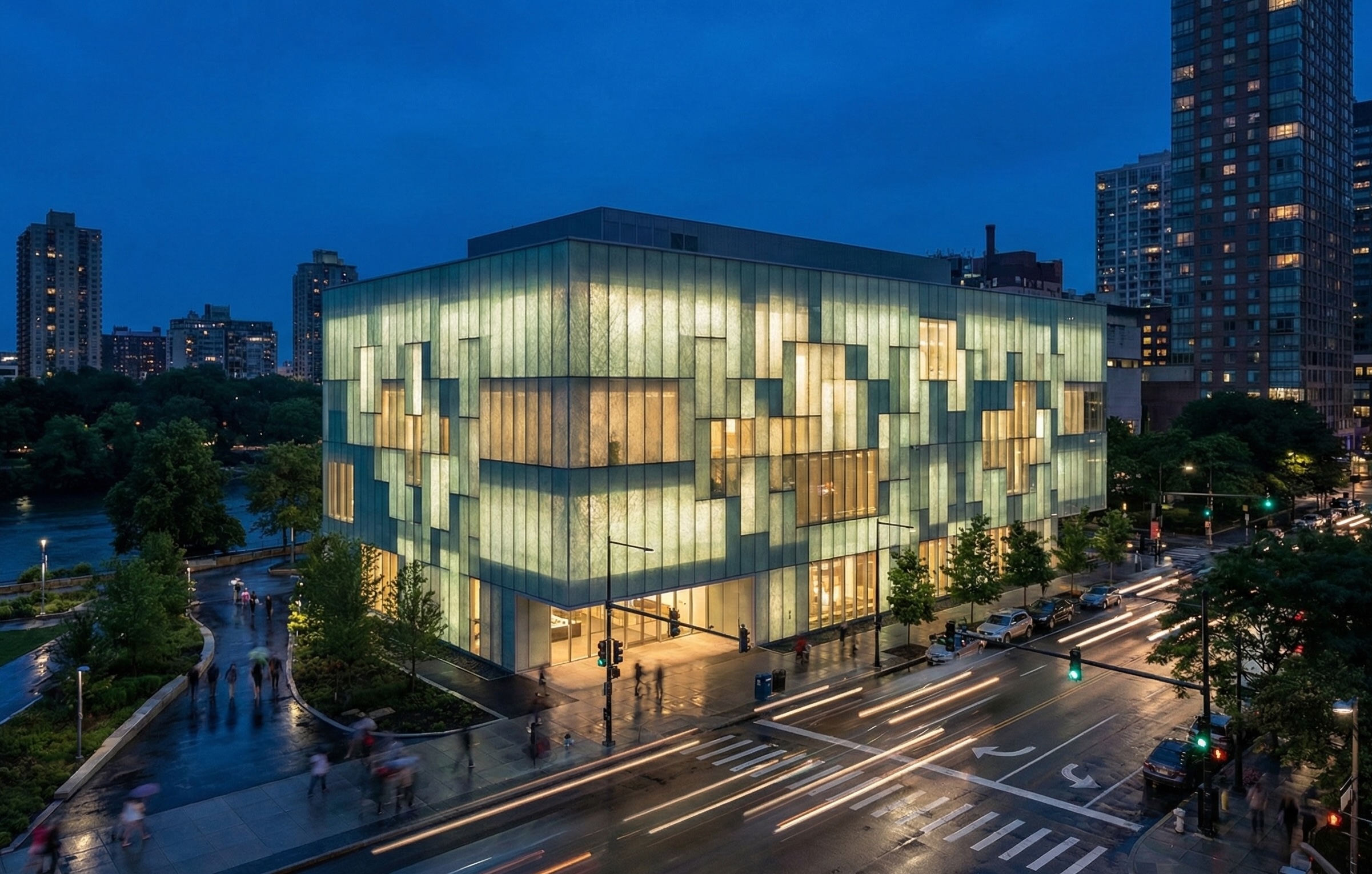
Translating the material logic into a scalable secondary skin. Whether applied as a rear-ventilated façade or an interior partition, the system proves that radical circularity can meet high-end spatial demands. The complete structural parameters, kinetic frameworks, and engineering details are documented in the research documentation.

DOCUMENTATION & PUBLICATION

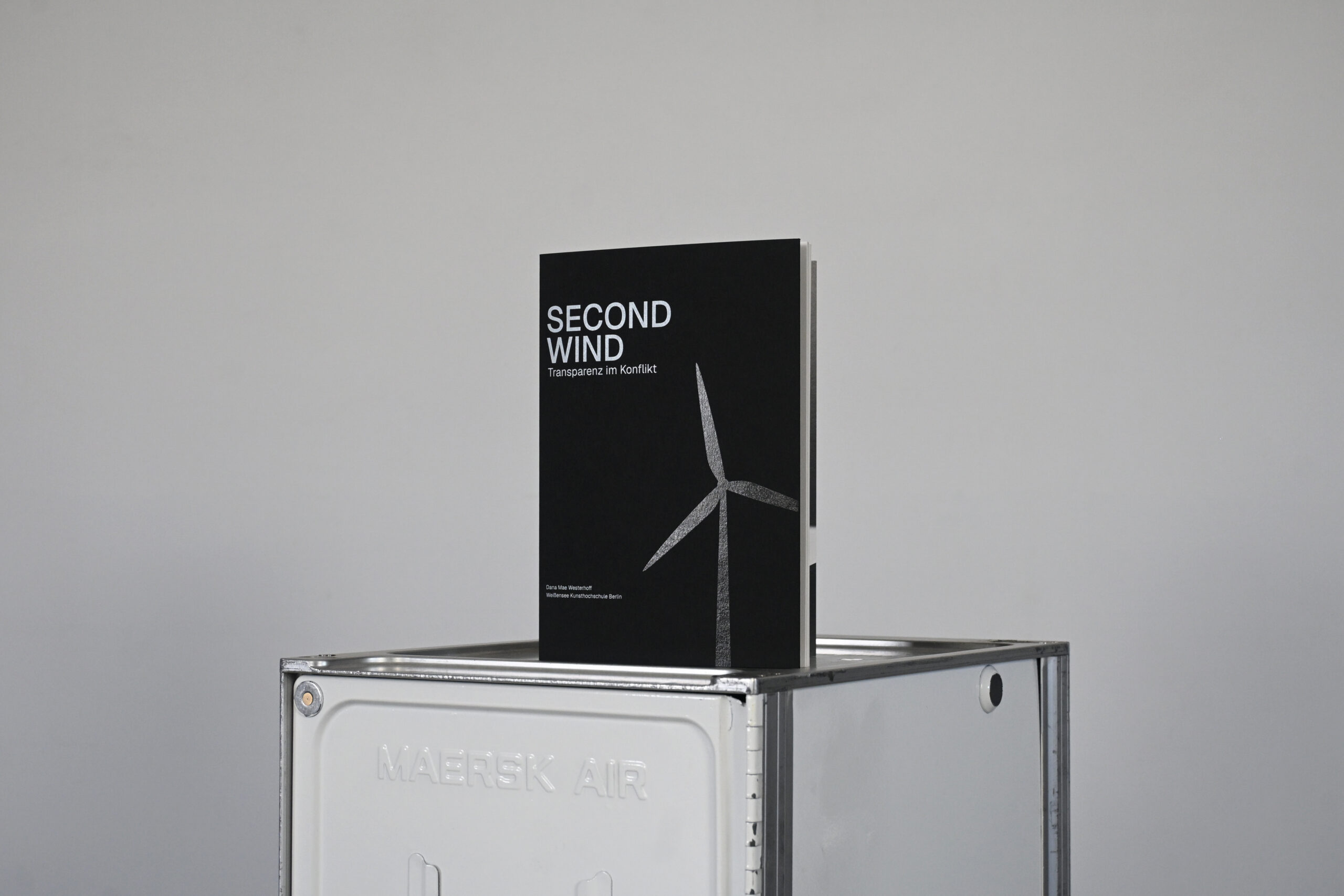
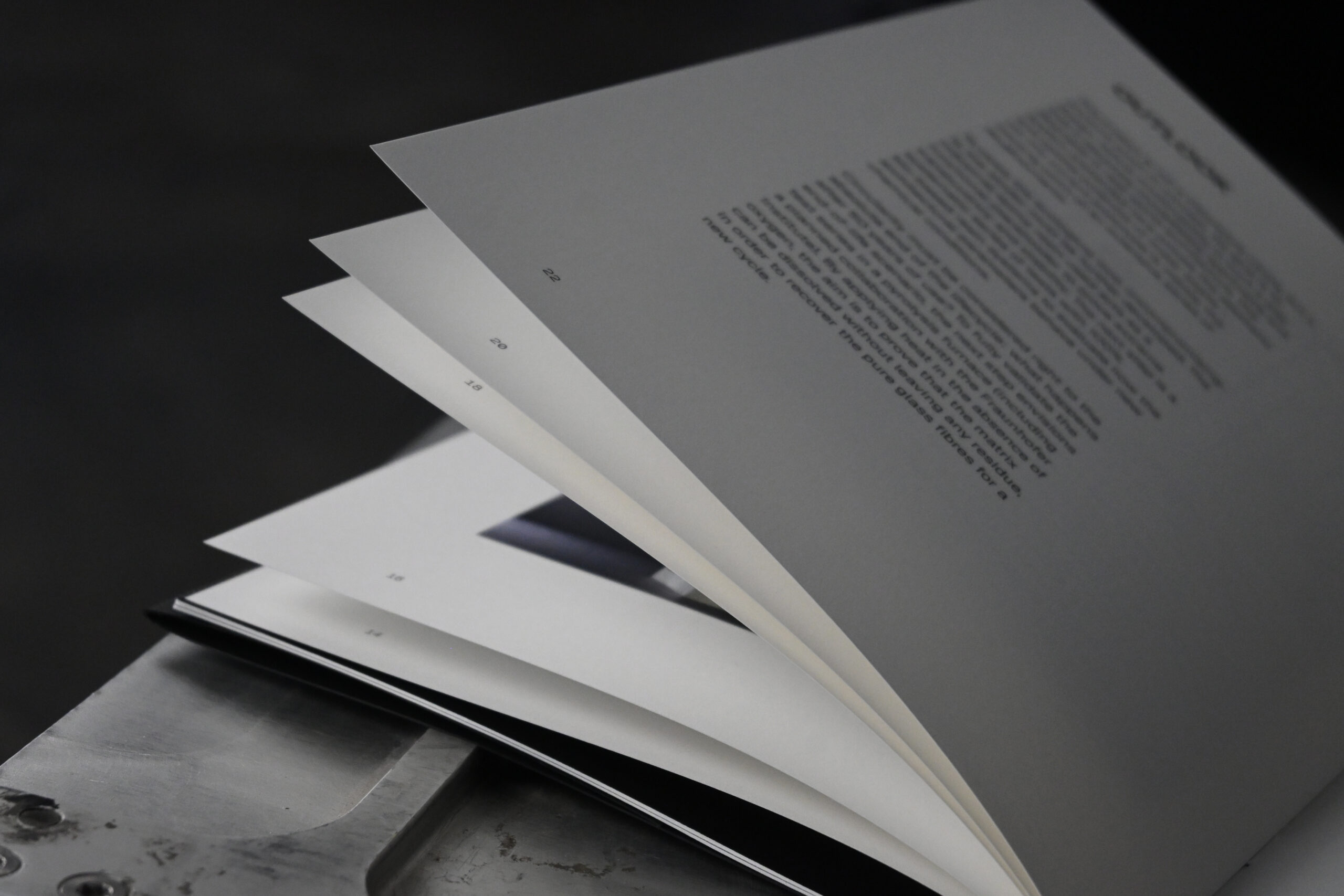
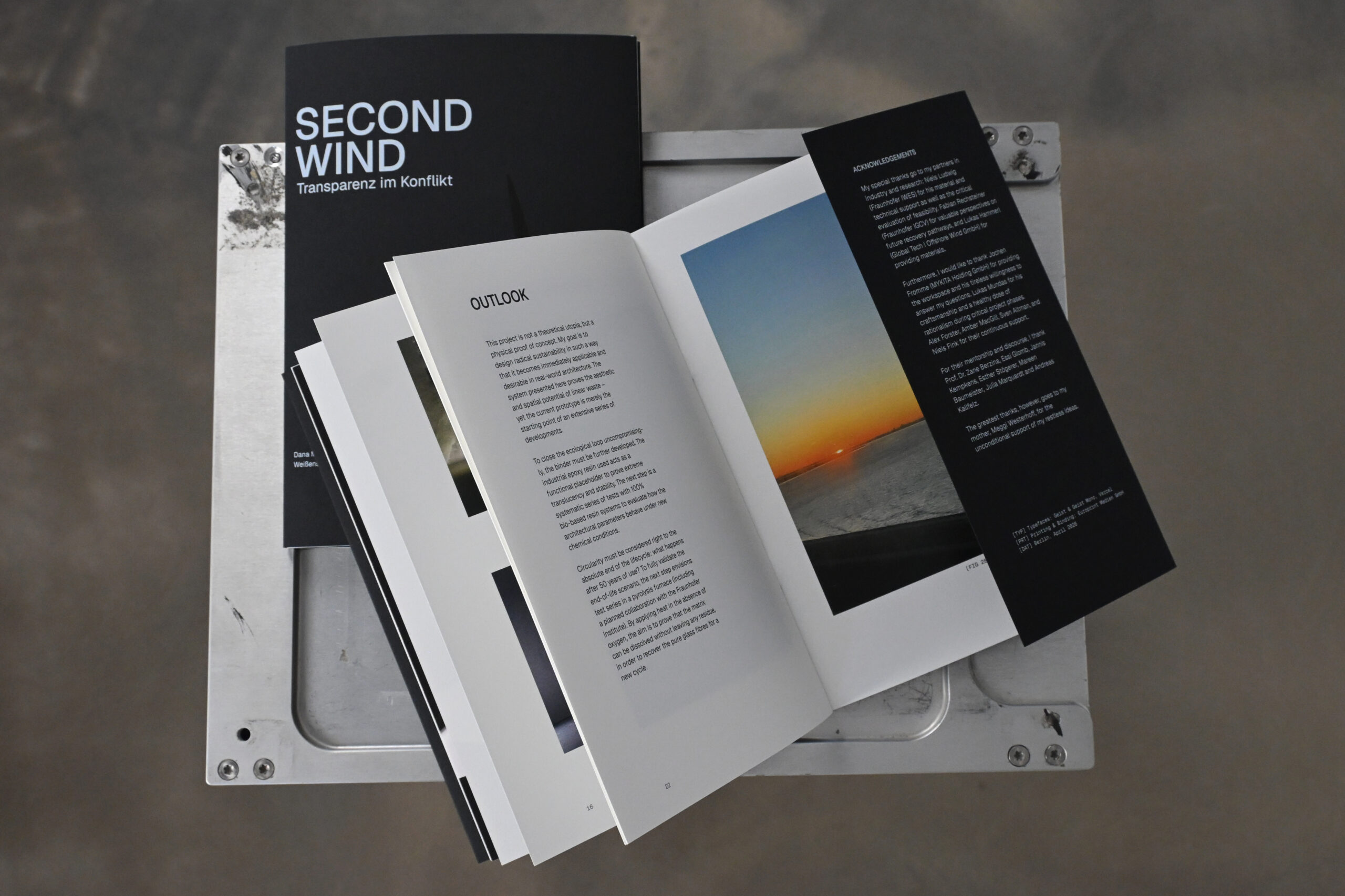
From raw industrial waste to architectural application. The comprehensive publication details the exact material logic, technical data, and future lifecycles behind ‘Second Wind’.

READ FULL DOCUMENTATION HERE:

THE NEXT CYCLE

True circularity leaves no waste behind. The energy transition is not merely a technological challenge, but a material one. ‘Second Wind’ proves that we must confront our most indestructible industrial conflicts to build a radically transparent future.

WASTE IS MERELY A MATERIAL WITHOUT AN IDENTITY.
BY RESTRUCTURING DECOMMISSIONED ROTOR BLADES, WE GIVE THE ENERGY TRANSITION A SECOND LIFE.

LET'S TALK ABOUT THE FUTURE OF MATERIALS.